
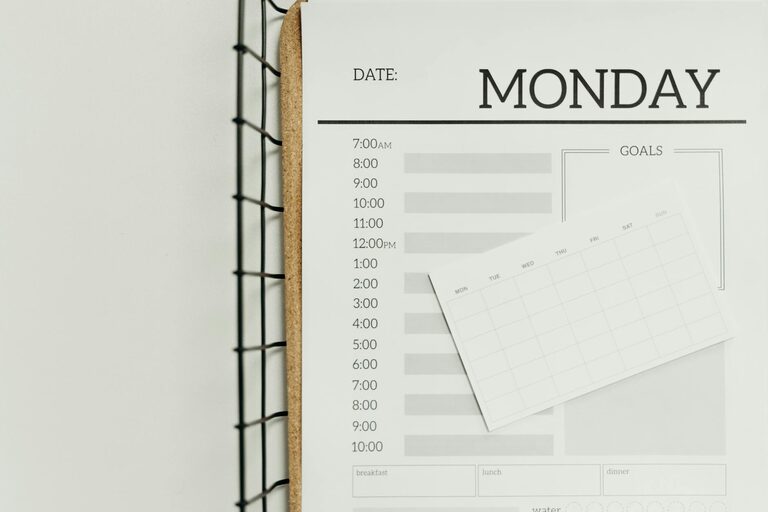
Starting each week with clarity and focus can make a big difference in your productivity and well-being. A weekly reset routine is a dedicated set of habits you follow—usually over a day or a few hours—to refresh your mind, organize your environment, and prepare for the coming week. Whether you want to reduce stress, improve time management, or simply feel more in control, designing your own weekly reset routine can help you achieve these goals.
In this post, we’ll guide you through the steps to create a personalized weekly reset routine that fits your lifestyle.
—
What is a Weekly Reset Routine?
A weekly reset routine is a planned ritual to wrap up the current week and prepare for the next. It often includes activities like reviewing your calendar, tidying your living space, planning priorities, and practicing self-care.
Unlike daily routines, the weekly reset focuses on the bigger picture, helping you refocus energy and realign your goals. It’s a simple way to pause, reflect, and refresh.
—
Benefits of a Weekly Reset Routine
– Improved organization: Sorting through your tasks and space helps reduce clutter and chaos.
– Reduced stress: A clear plan lessens anxiety about what lies ahead.
– Better time management: Prioritizing tasks ensures you focus on what matters most.
– Enhanced self-care: Taking intentional time for yourself boosts mental and physical well-being.
– Increased productivity: Starting the week fresh can improve motivation and efficiency.
—
Steps to Design Your Weekly Reset Routine
1. Choose the Best Time for Your Reset
Pick a consistent day and time each week for your reset. Popular choices include Sunday evening or Monday morning, but it can be any moment when you’re least likely to be interrupted.
Consider your schedule and energy levels to find what works best. Some people prefer quiet mornings, while others like doing this after work.
2. Create a Comfortable Environment
Set aside a comfortable, quiet space where you can focus. This might be a cozy corner of your home, your desk, or even a favorite café.
Gather any tools you need, such as a planner, notebook, calendar, or digital device. Having a tidy workspace helps keep distractions to a minimum.
3. Review Your Past Week
Start by reflecting on the previous week:
– What were your wins and accomplishments?
– Were there any challenges or unfinished tasks?
– How did you feel overall during the week?
Jotting down notes can provide insights about what to continue, improve, or change.
4. Tidy and Organize Your Space
Physical clutter can contribute to mental clutter. Spend 15-30 minutes organizing your space:
– Sort papers, clean up your desk, and throw away or recycle unused items.
– Organize digital files, emails, or photos.
– Straighten up your living area, laundry, or kitchen.
A clean environment often leads to clearer thinking and less distraction.
5. Plan Your Upcoming Week
Focus on what’s ahead by:
– Reviewing scheduled appointments, deadlines, and events.
– Writing down your top priorities and goals.
– Breaking large projects into manageable tasks.
– Scheduling time for breaks, exercise, and relaxation.
Using tools like planners, apps, or calendars can help make this step more efficient.
6. Practice Self-Care
Incorporate self-care activities that help you recharge, such as:
– Meditation or deep breathing exercises
– A relaxing bath or skincare routine
– Reading a favorite book or listening to music
– Preparing healthy meals or snacks
Self-care ensures you approach the new week with good energy and a positive mindset.
7. Set Intentions or Affirmations
Finish your reset by setting personal intentions or positive affirmations. This might mean deciding to be more patient, prioritize health, or focus on creativity.
Clear intentions give you motivation and remind you of what matters most.
—
Sample Weekly Reset Routine
To help you get started, here’s a sample routine you can customize:
- **Day & Time:** Sunday evening, 6–7 PM
- **Environment:** Quiet living room with planner and laptop
- **Review:** Reflect on last week’s successes and challenges (10 minutes)
- **Organize:** Tidy desk, sort mail, clear digital inbox (20 minutes)
- **Plan:** Review calendar and set goals for the week (20 minutes)
- **Self-Care:** Enjoy calming tea and read for 10 minutes
- **Intentions:** Write down three weekly affirmations in journal
—
Tips to Keep Your Routine Effective
– Keep it realistic: Don’t overload your reset with too many steps. Aim for 30 minutes to 1 hour.
– Stay flexible: Life happens. Adjust your reset time or activities as needed.
– Make it enjoyable: Include elements you look forward to, so it feels rewarding.
– Consistency is key: The more regular your routine, the more you’ll benefit.
– Use reminders: Set alarms or calendar alerts to help you stick with the routine.
—
Final Thoughts
Designing a weekly reset routine gives you a valuable chance to pause and prepare intentionally. Over time, it can increase your sense of control, reduce overwhelm, and set you up for more productive, balanced weeks.
Start small, experiment with different activities, and discover what helps you feel refreshed and ready to take on new challenges. Your weekly reset is a personal ritual—make it your own, and enjoy the positive impact it brings!
—
Feel free to share your weekly reset routine ideas or questions in the comments below!