
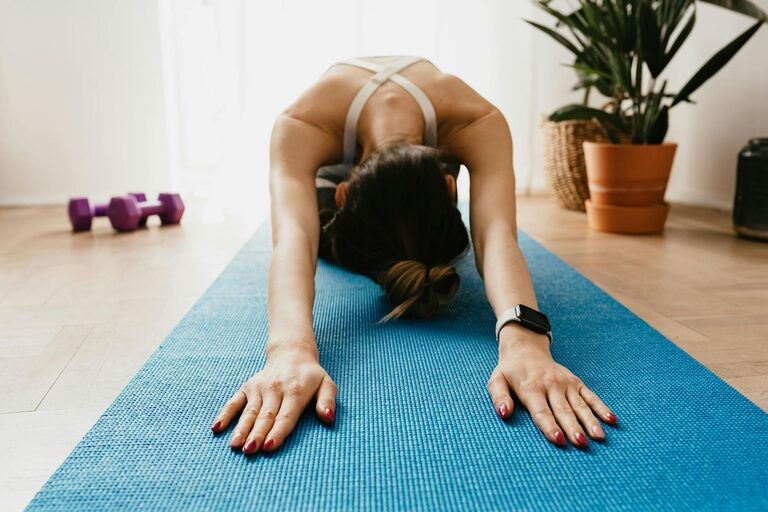
Stretching is a fantastic way to improve your flexibility, reduce muscle tension, and promote relaxation—all without needing special equipment or a gym membership. Whether you’re new to physical activity or looking to add a gentle routine to your day, stretching at home can fit easily into your schedule.
In this beginner’s guide, we’ll walk you through the basics of stretching, how to get started safely, and easy stretches you can do right now.
Why Stretching Matters
Stretching plays an important role in maintaining your body’s overall health. Here are some benefits:
– Improves flexibility: Increased range of motion helps everyday movements feel easier.
– Reduces muscle stiffness: Stretching can relieve tight muscles after sitting or exercising.
– Promotes circulation: It encourages blood flow to muscles, aiding recovery.
– Enhances posture: Stretching tight areas can help keep your body aligned.
– Relieves stress: Taking a few minutes to stretch helps calm your mind and body.
When and How Often to Stretch
You don’t have to dedicate hours to stretching. Even 5-10 minutes a day can make a difference.
– Consistency is key: Aim for daily or at least 3-4 times a week.
– Timing: Stretch after warming up your body or following exercise for best results. Gentle stretching can also help you wake up or unwind before bed.
– Listen to your body: Stretch until you feel slight tension, not pain.
Stretching Safety Tips for Beginners
Before you start stretching at home, keep these pointers in mind to stay safe:
- **Warm up first:** Move lightly for 5 minutes, such as walking in place, to warm your muscles.
- **Start slow:** Avoid bouncing or forcing your body into tight stretches.
- **Breathe naturally:** Don’t hold your breath while stretching—steady breathing helps.
- **Hold the stretch:** Aim for 15 to 30 seconds per stretch, repeating 2-3 times.
- **Avoid pain:** If a stretch causes sharp pain or discomfort, ease off or skip it.
Simple Beginner Stretches to Try at Home
Here are some easy stretches targeting major muscle groups. Perform them gently and mindfully.
Neck Stretch
– Sit or stand tall.
– Slowly tilt your head toward your right shoulder until you feel a stretch on the left side of your neck.
– Hold for 20 seconds, then switch sides.
Shoulder Rolls
– Stand with your arms relaxed at your sides.
– Roll your shoulders forward in a circular motion 10 times.
– Repeat rolling backwards 10 times.
Chest Opener
– Clasp your hands behind your back.
– Gently squeeze your shoulder blades together and lift your chest.
– Hold for 20-30 seconds and release.
Seated Hamstring Stretch
– Sit on the floor with one leg extended straight.
– Keep your back flat and lean forward from the hips toward your extended foot.
– Hold for 20-30 seconds; switch legs.
Cat-Cow Stretch (Spine Mobility)
– Get on your hands and knees.
– Arch your back upward (cat pose), tucking your chin to your chest.
– Then, dip your belly toward the floor while lifting your head and tailbone (cow pose).
– Repeat slowly 5-10 times.
Standing Quadriceps Stretch
– Stand while holding a chair or wall for balance, if needed.
– Bend your right knee and grab your ankle, pulling your heel gently toward your buttocks.
– Keep your knees close and hold for 20-30 seconds.
– Switch legs.
Calf Stretch
– Stand facing a wall.
– Place your hands on the wall at shoulder height.
– Step your right foot back, keeping it flat on the floor and your heel down.
– Bend your left knee slightly, feeling the stretch in your right calf.
– Hold for 20-30 seconds and switch sides.
Tips to Make Stretching a Habit
– Set a routine: Stretch at the same time daily to build consistency.
– Create a comfortable space: Find a peaceful corner for your practice.
– Use reminders: Alarms or notes can prompt you to stretch.
– Mix it up: Try different stretches or combine stretching with light yoga or breathing exercises.
– Track progress: Notice improvements in flexibility and how you feel.
When to Seek Professional Guidance
If you have existing health conditions, injuries, or significant pain while stretching, consider consulting a fitness professional or physical therapist. They can provide personalized recommendations and safe adjustments.
—
Stretching at home is an accessible way to support your body’s health and boost your mood. Start with these simple stretches, be patient with yourself, and enjoy the benefits of flexibility and relaxation. Your body will thank you!
Happy stretching!